
UGC-CSIR-DBT National Eligibility Test (NET) for Junior Research Fellowship
and Lecturer-ship
LIFE SCIENCES SYLLABUS
1. Structure and Function of Biomolecules
2. Cellular Organization
3. Fundamental Processes
4. Cell Communication and Cell Signaling
5. Developmental Biology
6. System Physiology – Plant
7. System Physiology – Animal
8. Inheritance Biology
9. Evolution and Diversity of Life Forms
10. Ecology and Behavioural Biology
11. Bioinformatics and Computational Biology
12. Biochemical Engineering and Industrial Biotechnology
13. Advances in Biotechnology
14. Methods in Biology
- Teacher: Rasma FACULTY
Course Objectives:
1. To equip the students with the tools to summarize the experimental data in diagrammatic and
graphical way, to obtain descriptive statistics and make
possible appropriate interpretations.
2. To understand the properties of the most important bioinformatics databases, perform text- and sequence-based searches, analyze the results in light of molecular biology.
3. Attain knowledge and awareness on the basic principles and concepts of Biology, Computer Science and Mathematics.
Course Outcome:
CO1: Discuss the principles and practices of statistical methods in biological research.
CO2: Explain various biological data bases for sequence retrieval, analysis, sequence alignments, phylogeny and other applications.
C03 : Discuss the method of molecular docking and their application
CO4: Discuss the concept behind drug designing with the application of bioinformatics tools.
SYLLABUS
Unit 1. Biostatistics - Principles and practice of statistical methods in Biological Research; Basic statistics; Averages; statistics of Dispersion; Coefficient of variations; Standard error; Probability; Distributions; Tests of statistical significance; Students T-test; Basics of correlation and regression. Analysis of variance.
Unit 2. Introduction to Bioinformatics and Biological Databases: Biological databases - nucleic acid, genome, protein sequence -Uniprot-KB: SWISS-PROT, TrEMBL, GENE expression databases. Mode of data storage - File formats - FASTA, Genbank and Uniprot. Various file formats for biomolecular sequences:
GenBank, FASTA. Data submission & retrieval from NCBI, EMBL, DDBJ, Uniprot, PDB.
Unit 3. Sequence Alignments, Phylogeny and Phylogenetic trees :Local and Global Sequence alignment, pairwise and multiple sequence alignment. Scoring an alignment, scoring matrices, PAM & BLOSUM series of matrices. Types of phylogenetic trees, Different approaches of phylogenetic tree construction-UPGMA, Neighbour joining, Maximum Parsimony, Maximum likelihood.
Unit 4. Molecular docking-types of docking-types of interaction-search algorithm, scoring function-key stages of docking-autodock -application-Drug designing. Structure prediction and protein modelling.
- Teacher: Rasma FACULTY
- Teacher: Jayasudha M Assistant Professor
The course aims to develop the concept of gene expression and the molecular events associated. The learner will be able to explain the mechanisms of gene expression regulation and their impact on the cellular development. An understanding of oncogenes and tumour suppressor genes also will be acquired by the learner.
Course Outcome:
1. Explain the mechanisms behind the information flow from DNA to proteins and the multiple levels at which gene expression can be regulated.
2. Compare gene expression and regulation in prokaryotes and eukaryotes
3. Discus the molecular mechanisms underlying mutations, DNA damage and repair
4. Acquaint knowledge of DNA replication and other mechanisms of gene transfer mechanisms.
5.Discuss the concept of Oncogenes and tumour suppressor genes..
SYLLABUS
Unit 1. DNA structure: Chemistry of DNA, Forces stabilizing DNA structure, Forms of DNA, Watson –Crick and Hoogsteen base pairing, Physical properties of ds DNA. Mechanisms of supercoiling in cells, Mechanism of action of Topoisomerase I and II, effect of supercoiling on structure of DNA and the role of supercoiling in gene expression. Organization of DNA into chromosomes: Eukaryotic chromosome organization and its molecular mechanism.
Unit 2. DNA replication- Prokaryotic and eukaryotic DNA replication, mechanism of replication. Enzymes and necessary proteins in DNA replication. Telomeres, telomerase and end replication. Role of telomerase in aging and cancer. DNA Repair- Mismatch, Base- excision, Nucleotide-excision and direct repair DNA recombination- Homologous, site- specific and DNA transposition
Unit 3. Transcription- Prokaryotic and eukaryotic Transcription- RNA polymerases general and specific transcription factors- regulatory elements- mechanism of transcription regulation- Transcription termination. Post transcriptional modification- 5’ cap formation-3’ end processing and polyadenylation- splicing editing- nuclear export of mRNA- mRNA stability.
Unit 4. Translation: Structure and role of t-RNA in protein synthesis, ribosome structure, basic features of genetic code and its deciphering, wobble hypothesis, translation (initiation, elongation and termination in detail in prokaryotes as well as eukaryotes) Post translation modification by cleavage, self-assembly, assisted self-assembly chaperones, acylation, phosphorylation, acetylation and glycosylation, Histone acetylation and deacetylases, chromosome remodelling complex. Intein splicing. Protein targeting, co-translational import, post translational import, Lysosome targeting.
Unit 5. Molecular mechanism of gene regulation in prokaryotes-Transcriptional regulation in prokaryotes; Inducible & repressible system, positive and negative regulation; Operon concept, structure of operon, Lac, Trp, Ara operon, Catabolic repression, Attenuation. Role of Hormones in gene regulation. Antisense RNA, SiRNA, MicroRNA, Riboswitches & their applications.
Unit 6. Oncogenes & tumour suppressor genes, viral & cellular oncogenes, tumour suppressor genes from humans, pRb &p53 tumour suppressor protein.
- Teacher: Rasma FACULTY
Course objectives:
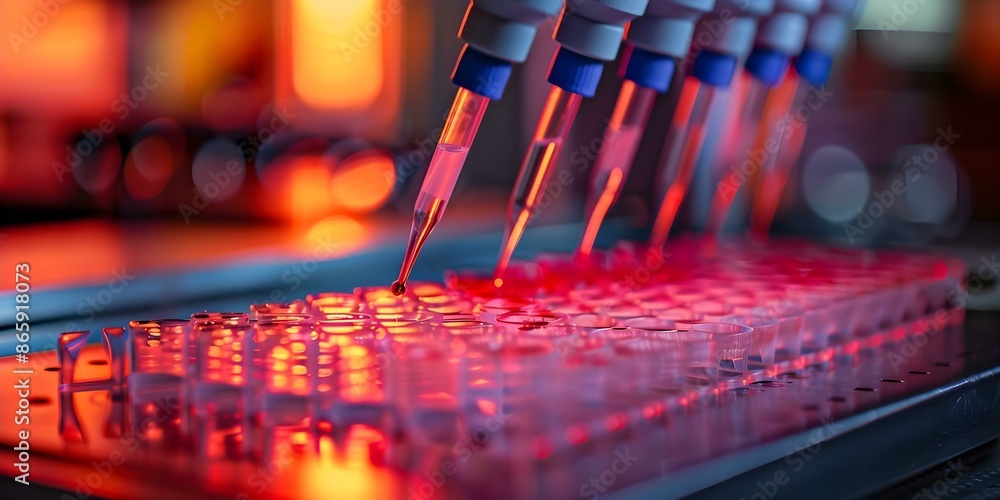
The learner will develop in-depth understanding on the principles of scientific instrumentation and various analytical techniques used in biological research.
Course Outcome:
CO1 Discuss the properties of interactions between atoms and molecules.
CO2 Differentiate the working principle, instrumentation and applications of various bio-analytical instruments.
CO3 Demonstrate the interactions of DNA-protein, RNA-protein and DNA-drug.
CO4 Analyse the structure of protein through Ramachandran plot and advanced techniques
CO5 Compare different techniques in microscopy
SYLLABUS
Unit 1. Structure of atoms, molecule, Physico-chemical forces- ions, ionic bonds, covalent bonds, Hydrogen bonds, vander Walls forces, hydrophobic interactions, polar and non-polar molecules. Laws of thermodynamics, the concept of enthalpy, entropy and free energy, thermodynamic equilibrium, redox potential, high energy molecules, examples of redox potential in biological system. DNA-Protein interaction-. Lambda repressor and cro binding to DNA. Interactions of transcription factors-HLH, bHLH, Leucine Zipper, Cys-His, Zinc fingers. Histone-DNA interaction, RNA protein interactions, DNA-drug Interaction. Unit 2. Structural implication of peptide bond, Ramachandran plot, protein families, alpha domains, beta-domains, alpha- beta domains, Protein-drug interaction. peptide mass finger printing using MALDI-TOF, MASCOT database.
Unit 3. Principle, Instrument Design, methods and Applications of Microscopy: Light, Scanning and Transmission electron, phase contrast, polarization, confocal and interference microscopy, CCD camera, Introduction to Atomic force microscopy. Beer-Lamberts law, Principle, Instrument Design, methods and Applications of UV Visible spectra, IR spectra, Raman Spectra, Fluorescence spectra, NMR and ESR spectra. Colorimetry, spectrophotometry, Flourimetry, Flame photometry and Spectroscopy. Xray diffraction technique-principle and application.
Unit 4. Principle, Instrument Design, methods and Applications of Chromatography, ion exchange, molecular sieve, affinity chromatography, paper, TLC, GC, HPLC, HPTLC, FPLC, GC-MS, LC-MS. Centrifugation and Ultracentrifugation, Centrifugation - Principle and application of various types of centrifugation. Electrophoresis- AGE, PAGE- SDS & Native PAGE, Capillary Electrophoresis, isoelectric focusing, 2D Electrophoresis.
Unit 5. pH meter- principle, types and applications. Dialysis-principle and applications. Principle, methods and Applications of Ultra filtration, Sonication, Lyophilization. Refractometry, Cytometry and Flow cytometry, Introduction to Radioactive isotopes, autoradiography, radiation dosimetry- GM counter, Liquid scintillation counting, safety aspects. Biosensors.
- Teacher: Dr. Sreedevi R Assistant Professor
- Teacher: Jayasudha M Assistant Professor
- Teacher: Rasma FACULTY
- Teacher: Jayasudha M Assistant Professor

Course objectives :
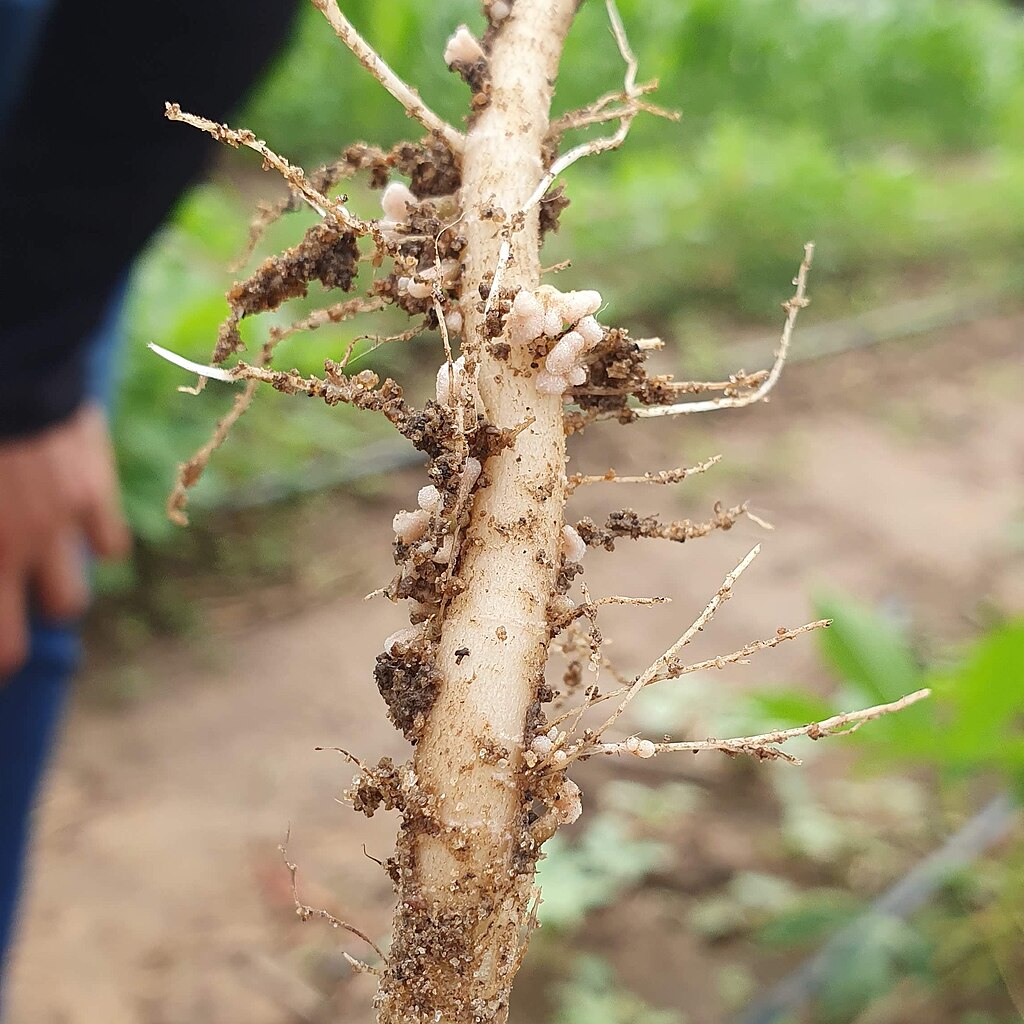
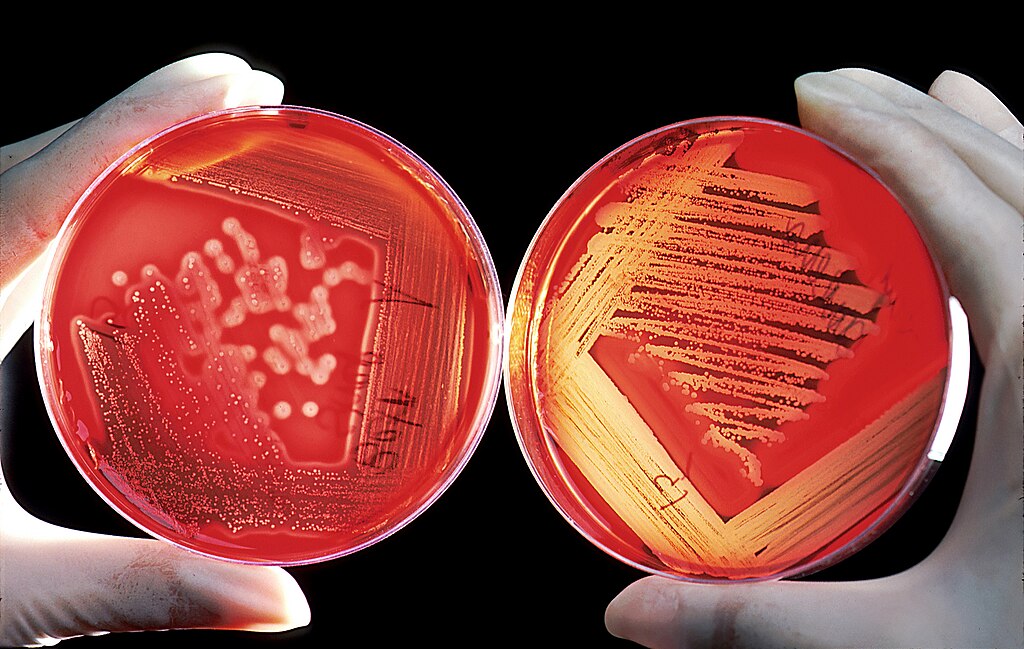
Attain knowledge about the various roles of microbes in the ecosystem and also understand the impact created by microorganisms in the field of agricultural development and also in various fields like bioremediation and waste treatment.
Course Outcome: CO1 Discuss the basic concepts of ecological system, pollution and environment
CO2 Compare different types of interaction among microbial communities and their significance
CO3 Explain biogeochemical cycles and their importance in an ecosystem
CO4 Elaborate the role of microbes in soil, water and air
CO5 Discuss the various aspects and the application of microbes in various fields of agriculture and environmental microbiology like bioremediation, biofertilizers and waste treatment methods.
CO6 Summarise the methods of air quantitation, air sanitation, sewage treatment and water purification
Syllabus:
Unit 1. Microbial Ecology: Microbial Communities. Basic concept of ecosystem,Ecological niches, Microbial succession- Primary and secondary succession.Microbial interactions- Neutralism, commensalism, symbiosis, synergism, competition, parasitism, antagonism and predation. Bio-geochemical cycles- C,N, S, P and Fe.
Unit 2. Air microbiology: Air microflora- transient nature of air flora, droplet nuclei and aerosols. Methods of air sampling and types of air samplers – impaction on solids, impingement technique in liquid, sedimentation, centrifugation, precipitation and thermal precipitations. Air sanitation- methods and applications.
Unit 3. Water Microbiology: Fresh water and marine microbial populations; potable water and indicator microorganisms, Bacteriological analysis of drinking water and other quantitation techniques; drinking water purification. Waste water- Sources, types, composition and characteristics (DO, BOD, COD) . Microbiology of waste water. Sewage treatment.
Unit 4. Pollution and Environment: Biosensors and environmental applications.
Pollution- Soil, Air, Water and Marine pollution. Solid waste management – land
filling and composting. Biogas production. Treatment of petroleum waste and
xenobiotic. Biodegradation of recalcitrant. Bioleaching – General mechanism,
Bioleaching of Copper, Uranium, and Gold.
- Teacher: Rasma FACULTY